
Jan 4, 2026
How do we take a 138-year-old distillery from fixing problems to predicting them?
“We were very keen to avoid the whole proof of concept trap. We said, do something at scale – and that’s what we’ve been able to do. The pace at which we’ve gone from idea to something real has been fantastic.”
Badri Narasimhan, Chief Technology & Business Growth Officer, William Grant & Sons
Christmas Day, 1887
And the first drop of whisky ran from the stills at William Grant & Sons’ site in Girvan on the west coast of Scotland. These days, the family-owned distillery produces household names, from Grant’s whisky to Hendrick’s gin.
But there was an efficiency problem.
Nearly 40% of repairs were for emergencies, not proactive maintenance. Faults were caught only after the alarm sounded, meaning more downtime and stifled output.
A system to beat the emergency alarms
We spent days at the team’s distillery, learning processes first-hand. We used that knowledge to pick the best starting point for AI: something that would prove value fast, by helping the business shift to predictive maintenance.
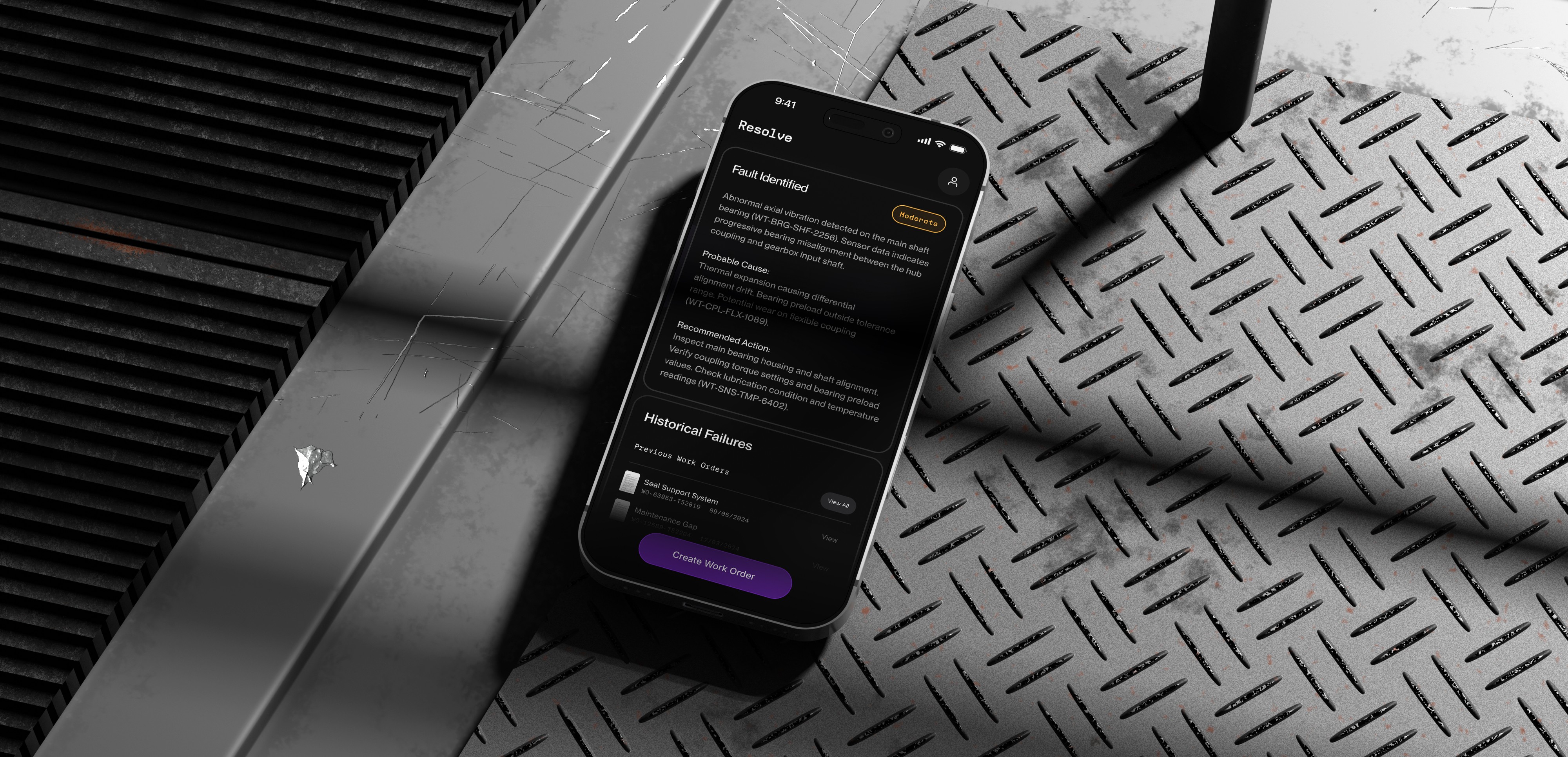
The solution we’ve built can:
Plug into every system and schematic in William Grant’s operation – even piping & instrumentation diagrams, highly complex plans typically analysed by top engineers.
Monitor live information from sensors alongside historic data about each asset.
Flag a potential problem well before the sensor would trigger an alarm.
Analyse how a specific fault will impact the entire distillery.
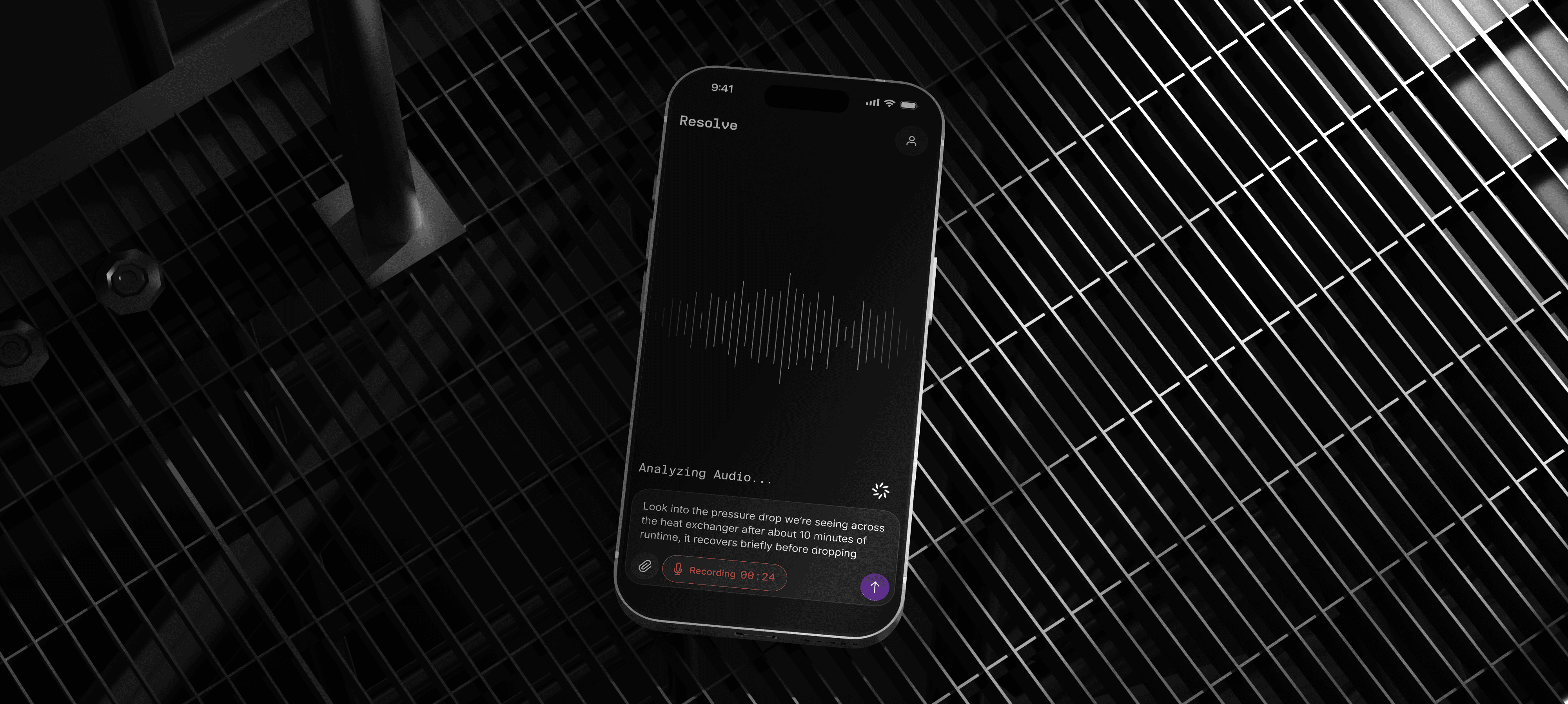
Give technicians a way to capture what they spot on the job – from video and audio to vibration and sensor data.
Turn that context into clear, accurate work orders, to fix more faults first time.
And feed everything it learns back into the system, building resilience for the future.
The ability to interpret audio or pressure is crucial in a world where problems can’t always be put into words: it’s the distinct rattle of a pipe, or the rhythm of a pump that’s off by a beat. Technicians learn to recognise subtleties like these over a lifetime. AI gives that experience to workers at all levels, helping them troubleshoot on their own.
The gloves stay on
Working on the ground taught us the reality of life on the factory floor. Like that a chatbot with text input isn’t much use to an engineer wearing protective gloves. It has to be voice activated, with automatic transcription so they can diagnose faults and report fixes just by talking.
The result: £8.4 million at one site alone
William Grant & Sons estimates savings of £8.4 million a year at Girvan, once in business-as-usual mode. That’s thanks to more first-time fix rates, less downtime, and higher output.
“What we really liked about Nexus Black was that they understood our industry — they weren’t trying to apply something generic”, said Badri. “It’s been innovation that’s practical, fast, and actually connected to results, not theory.”
Next, we scale
We’re now working on scaling this solution across the whole of William Grant’s operation.
And what we built here became Resolve – a product now available across manufacturing, field services, utilities, and more.
IFS Nexus Black™